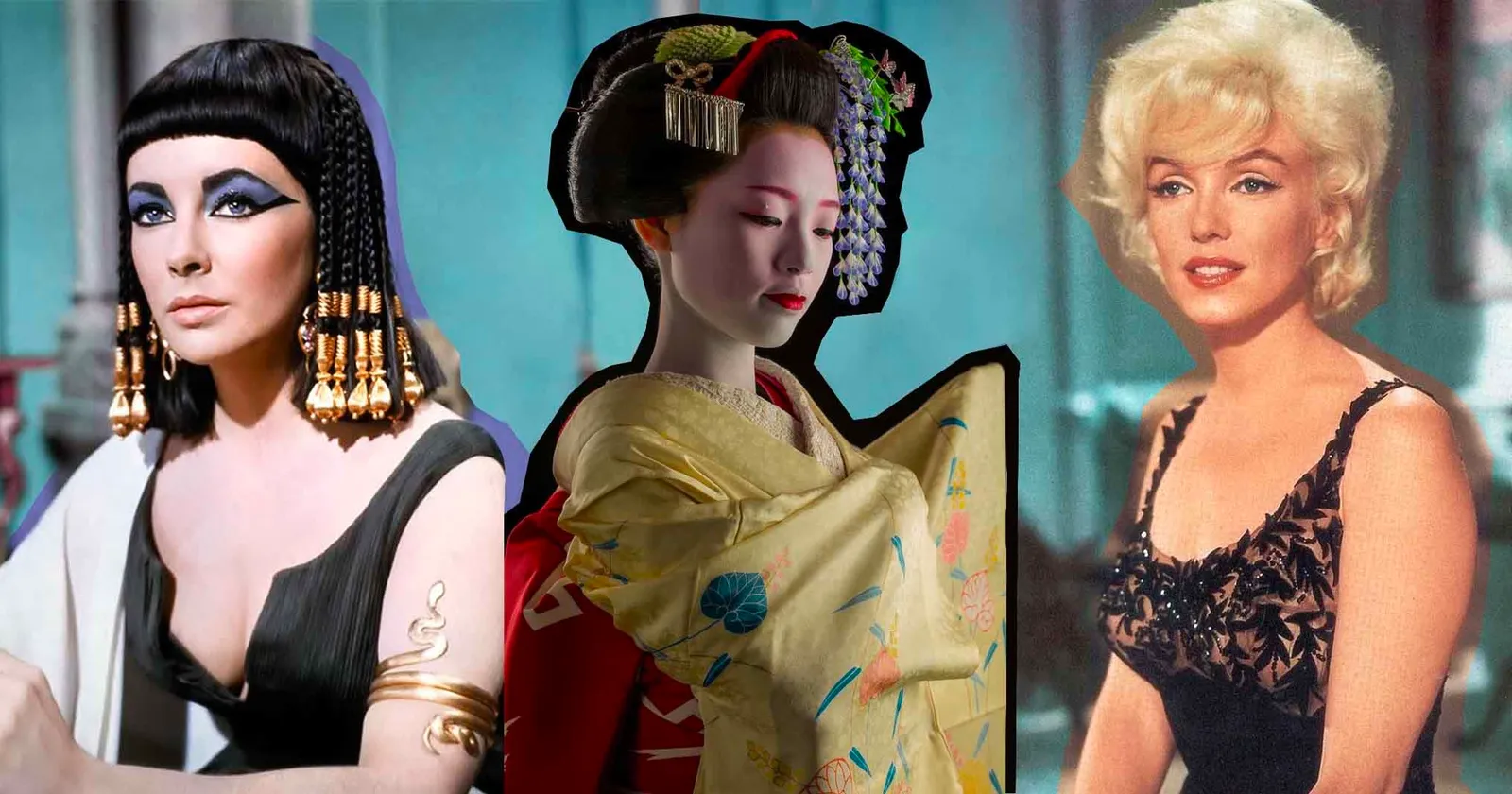
Makeup has been an integral part of human history, and its presence in antiquity reveals not only aesthetic practices but also a depth of cultural symbolism. Join us on a journey through time to discover how makeup was applied in past eras and how its ingredients and uses reflected the values and beliefs of different cultures.

Egypt: Elixir of the Gods
In ancient Egypt, makeup was not only a means of beautification but also a sacred ritual. They used “kohl,” a black pigment made from galena, to frame their eyes. Beyond enhancing appearance, they believed this makeup protected their eyes from the “Udjat,” the sacred eye of Horus.

Mesopotamia: Earth Pigments
In the cradle of civilization, the Mesopotamians relied on natural pigments for their makeup. They used minerals like malachite for eyeshadow and blush colors, while henna and other plant dyes adorned their lips and nails.

China: Balance and Symbolism
In ancient China, makeup was an expression of balance and harmony. Women highlighted their cheekbones with rice powders and used natural dyes to color their lips and nails. The color red, a symbol of prosperity and happiness, was especially valued.

Greece: Natural Beauty
The ancient Greeks valued natural beauty and sought to enhance it discreetly. They used talcum powder and clay to whiten their skin and employed plant pigments to add color to their cheeks and lips. Their approach focused on enhancing innate beauty.

Rome: Tinting and Glamour
In the Roman Empire, makeup was a statement of status and glamour. Women used “cerussa,” a lead powder, to achieve a pale skin tone, and colored their lips with pigments extracted from plants and minerals. The refined aesthetic was a hallmark.
Makeup in antiquity went beyond aesthetics; it was a reflection of culture, religion, and identity of each civilization. As we explore these ancient practices, we can appreciate how makeup has been a means to express values and beliefs throughout history.